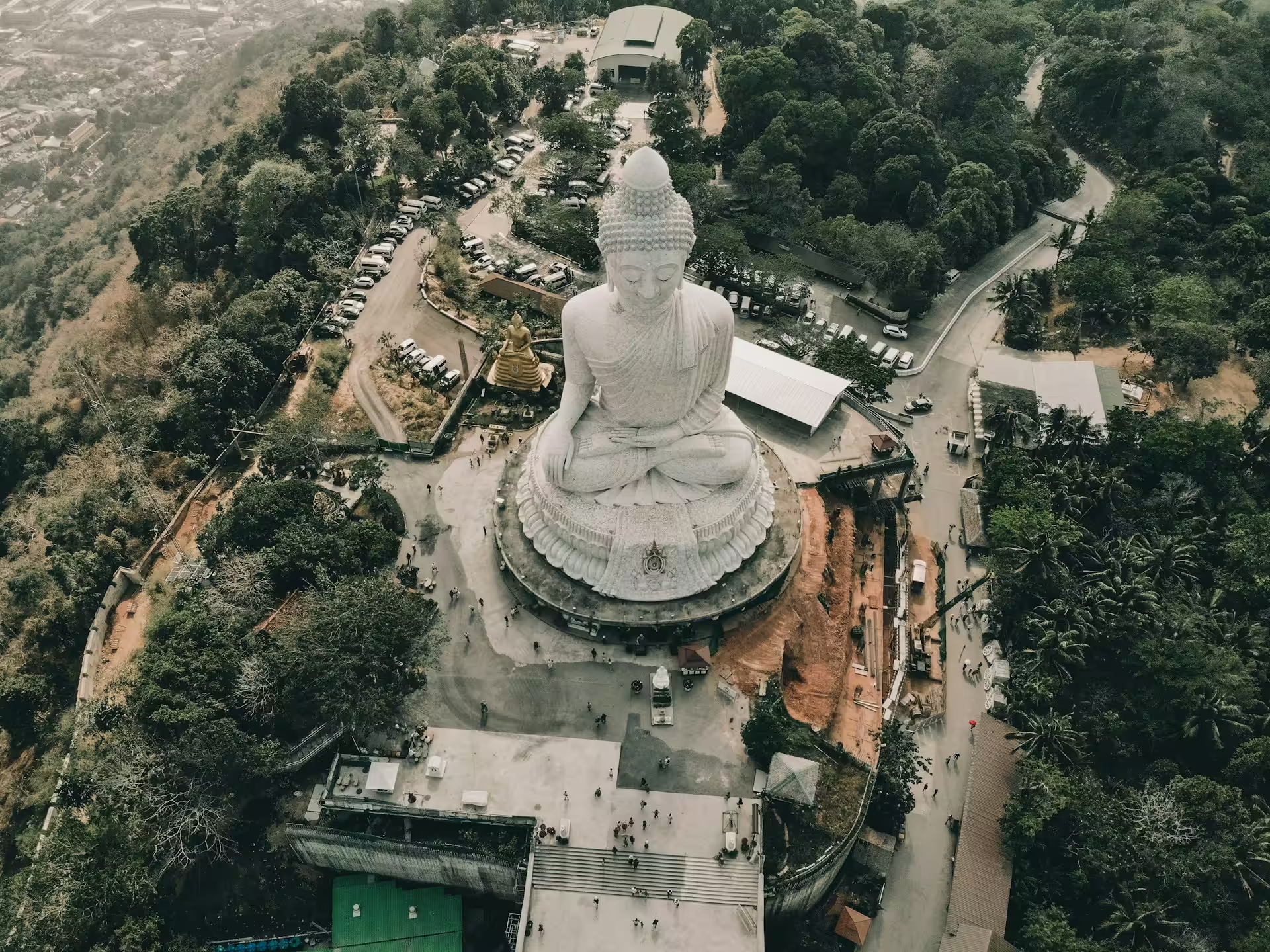
So I have this theory. And it’s not exactly scientific or anything, but after living in Thailand for as long as I have, I’m pretty confident in it. My theory is that every destination has a “sweet spot” month — a window where everything just kind of clicks. The weather, the crowds, the vibe, the prices, all of it lines up in this way that makes the place feel like it’s operating at its best. For Phuket, that month is January. And it’s not even close.
Which is funny because most people don’t think of January when they think of Phuket. They think December — Christmas, New Year’s, peak season madness. Or they think February, March, when the European winter escapees arrive in full force. January kind of sits in between. This quiet pocket where the holiday chaos has just ended and the next big wave hasn’t shown up yet.
And honestly? That’s exactly why it works.
The Weather Is Doing That Thing Where It Just… Cooperates
Okay let me get the weather stuff out of the way first because I know that’s what people actually want to know. January in Phuket is dry season. Properly dry. The monsoon has packed up and left, the skies are clear more often than not, and you get this run of days where the sun is warm but not that aggressive Thai hot-season heat that makes you want to crawl into an air-conditioned 7-Eleven and never leave.
The temperatures hover around 30, 31 degrees during the day. Which sounds hot if you’re coming from, like, Manchester in winter. But with the breeze off the Andaman Sea it feels really manageable. You’re not getting that thick sticky humidity that hits in April and May where just existing outdoors is exhausting. January is warm. Pleasant warm. “I could actually do things today” warm rather than “I need to lie very still under a ceiling fan” warm.
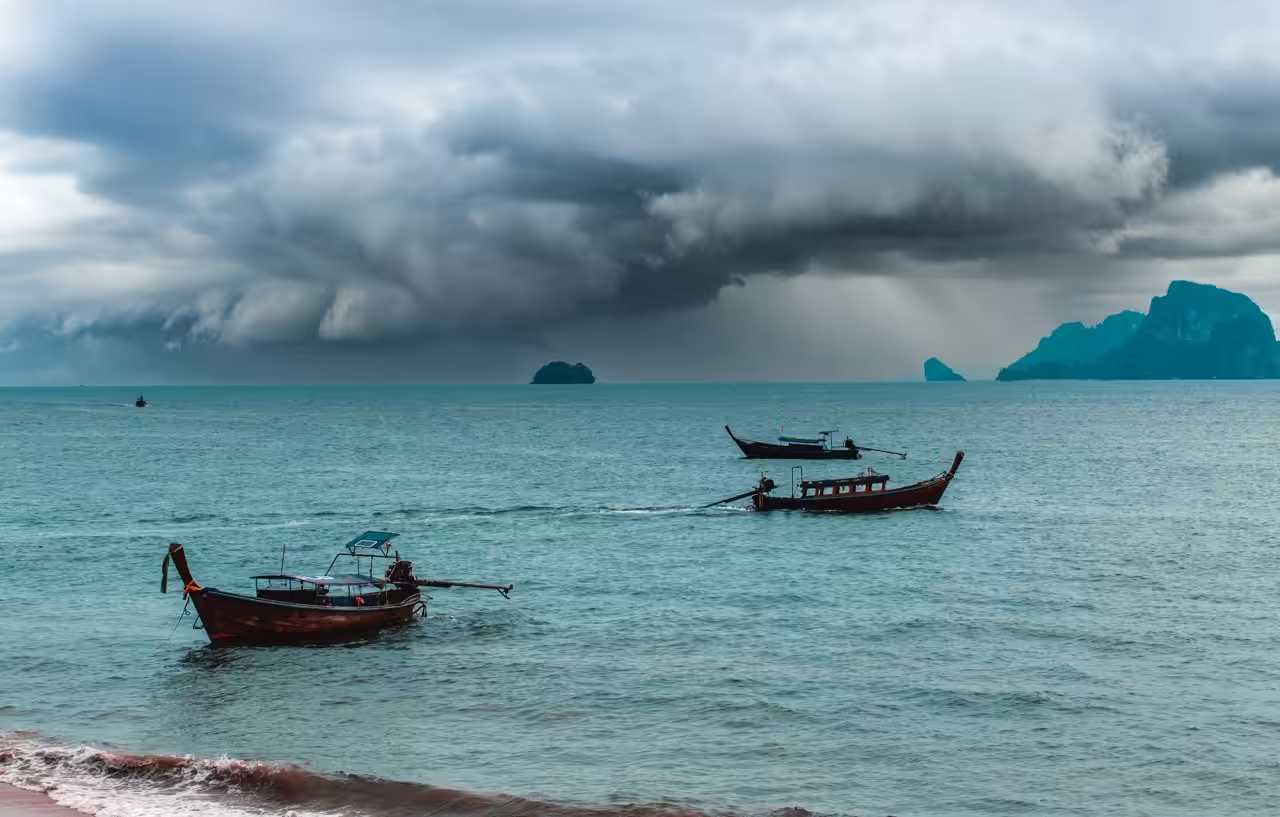
Rain is rare. Not impossible — this is still a tropical island and weather forecasts here are more of a general vibe than a commitment — but genuinely rare. I’d say you might get one or two quick showers in a whole month and even those tend to be the kind that blow through in 20 minutes and leave everything feeling fresh and clean. Nothing like the monsoon dumps in September and October where it just pours for days.
What this means practically is that your plans actually stick. Boat trips go ahead. Island excursions from Phuket run on schedule. You can book a day trip to Phi Phi or out to the Similan Islands and actually have confidence it’s going to happen. During monsoon season there’s always that anxiety of “is this going to get cancelled?” January just… doesn’t have that.
Those Mornings Though
I want to talk about Phuket mornings in January specifically because I think they’re genuinely underrated. And I realize that’s a weird thing to have strong opinions about. Morning quality. But hear me out.
You wake up and the air is cool. Not cold, never cold, but there’s this freshness to it that you don’t get later in the year. The sky is clear — like really clear, no haze, no smog, just blue — and the light at 6:30, 7 AM is this soft golden thing that makes everything look incredible. The ocean is usually dead calm. Glass-like some mornings. It’s the kind of scene that makes you understand why people move to tropical islands.
And the beaches are empty. That’s the big one. Walk Kata Beach at 7 AM in January and you might see a handful of people. Maybe some locals fishing. A couple doing yoga. That’s it. The same beach at 7 AM in February? Different story. By March? Forget about it.
I’ve noticed that the mornings kind of set the tone for the whole day in January. Because you start slow, relaxed, unhurried… and that energy just carries. Grab coffee from one of those little streetside places, eat some fruit, walk the beach. There’s no rush. Nobody’s competing for space. It’s the most un-Phuket version of Phuket you’ll ever experience, and I mean that as a massive compliment.
If you’re the type who likes morning boat trips or early snorkeling — and you should be, honestly, the underwater visibility in January mornings is absurd — this is your month. Calm seas, clear water, and you’re out there before the bigger tour boats even leave the dock.
The Crowd Thing — Or Lack Thereof
Okay so this is the part where I’m going to say something that might sound contradictory. Phuket is always busy. It’s one of the most visited islands in Southeast Asia. There’s no version of Phuket where you have the place completely to yourself. Let’s just be real about that.
But. There are degrees. And January is about as quiet as Phuket gets outside of monsoon season — which doesn’t count because half the island basically shuts down during monsoon anyway.
What happens is this. The Christmas and New Year’s crowd — which is enormous, we’re talking peak-peak-peak season — starts leaving around January 3rd, 4th, 5th. Flights home, back to work, all of that. And the next big wave of tourists, the ones who come for Chinese New Year and the European February-March exodus, haven’t arrived yet. So you get these two to three weeks in mid-January where the island feels… lighter. Restaurants have tables. Roads are drivable. You can actually get a sunbed on the beach without arriving at dawn.
It’s subtle. I’m not saying the island’s deserted or anything. You’ll still see tourists. This is Phuket. But the pressure drops. That feeling of being in a crowd everywhere you go, competing for everything, that eases off. And honestly, the locals seem to relax too. Which changes the whole dynamic. Conversations are longer. Service is less frantic. People have time.
I’ve seen this pattern play out year after year and it’s remarkably consistent. January, specifically the second and third weeks, is just a different gear.
Places That Actually Breathe Again
There are certain spots in Phuket that I straight up avoid during peak season. Love them in theory, can’t stand them when they’re packed. January gives them back to me.
Nai Harn is the big one. Down on the southern tip of the island. It’s arguably the nicest beach in Phuket in terms of the actual beach — the sand, the water clarity, the setting with the hills around it. But in high season it gets hammered. Packed with sunbeds, boats everywhere, that whole scene. January? You can walk the full length of it and actually find space. Lay your towel down wherever. Swim without dodging jet skis. It feels like a completely different beach.
Kata Beach is similar. It’s always been one of the more livable beaches — good restaurants nearby, walkable, not too resort-heavy — but the crowd factor during December and February can be intense. January smooths that out. You get the same beautiful beach minus the sardine-tin feeling.
And then there’s the food scene, which nobody talks about enough. The small restaurants — I’m talking the little Thai places tucked down side streets, not the big tourist-facing ones on the main road — they’re always better when they’re not slammed. The aunty running the kitchen has time. Your pad kra pao comes out better because she’s making 30 dishes tonight instead of 130. That’s not something you can put in a guidebook but it’s real. The quality of casual dining on Phuket in January versus peak season is noticeably different.
And getting around the island… look, Phuket traffic is legendary for all the wrong reasons. The roads are genuinely terrible during peak season. Patong to the airport can take two hours in December. In January? Maybe 45 minutes. Still not amazing by global standards but compared to the alternative it feels like you’ve discovered teleportation.
The Boat Trip Window
If you’re planning any kind of island hopping from Phuket — and you should be, because the islands around here are some of the best in Thailand — January is ideal. I’m not just saying that. The combination of calm seas, clear visibility, and lower demand makes it objectively the best window for boat-based stuff.
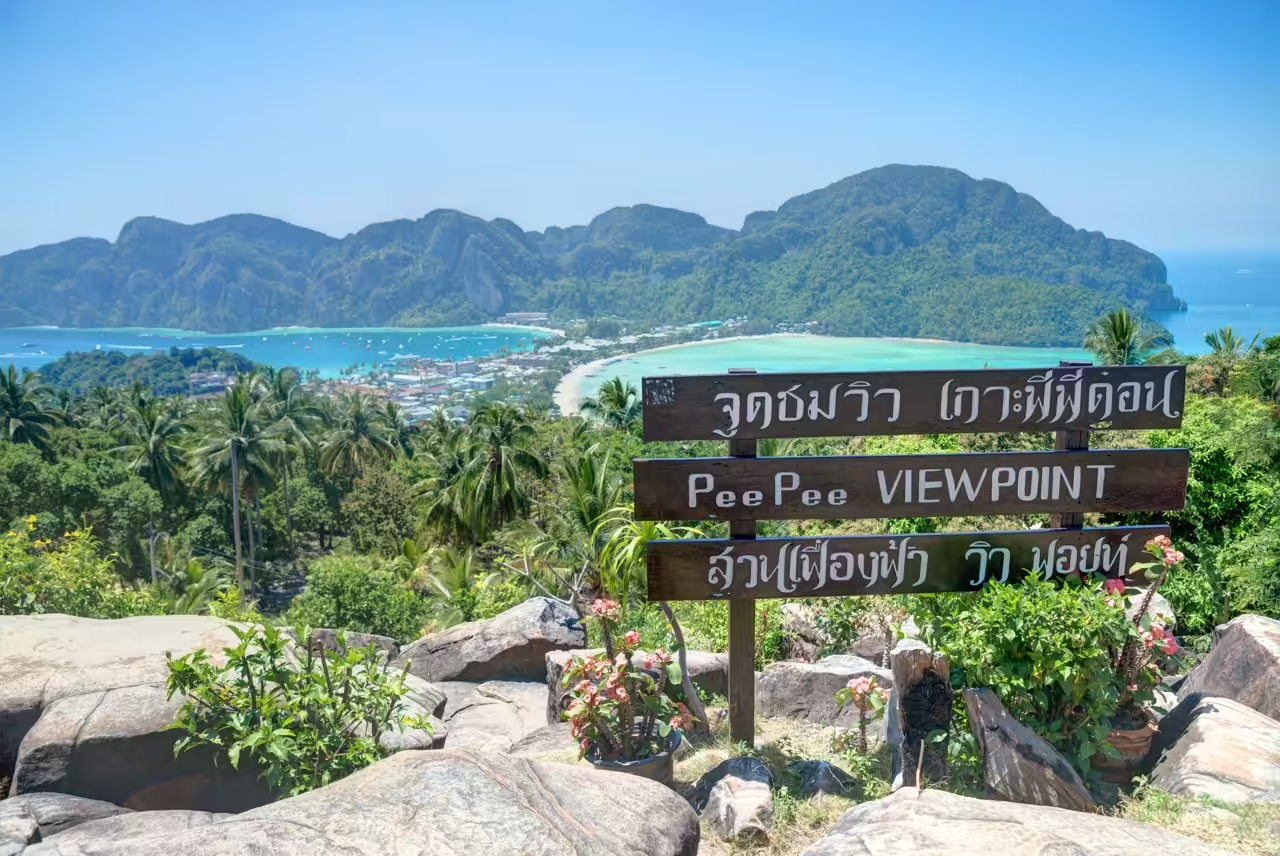
The Similan Islands are open — they close during monsoon season from roughly May to October, so January is solidly in the open window. Phi Phi is always accessible but it’s so much more pleasant to visit when the boats aren’t packed to capacity and the beaches aren’t wall-to-wall tourists. Even places like Koh Phi Phi that are famous for being crowded feel more manageable in January.
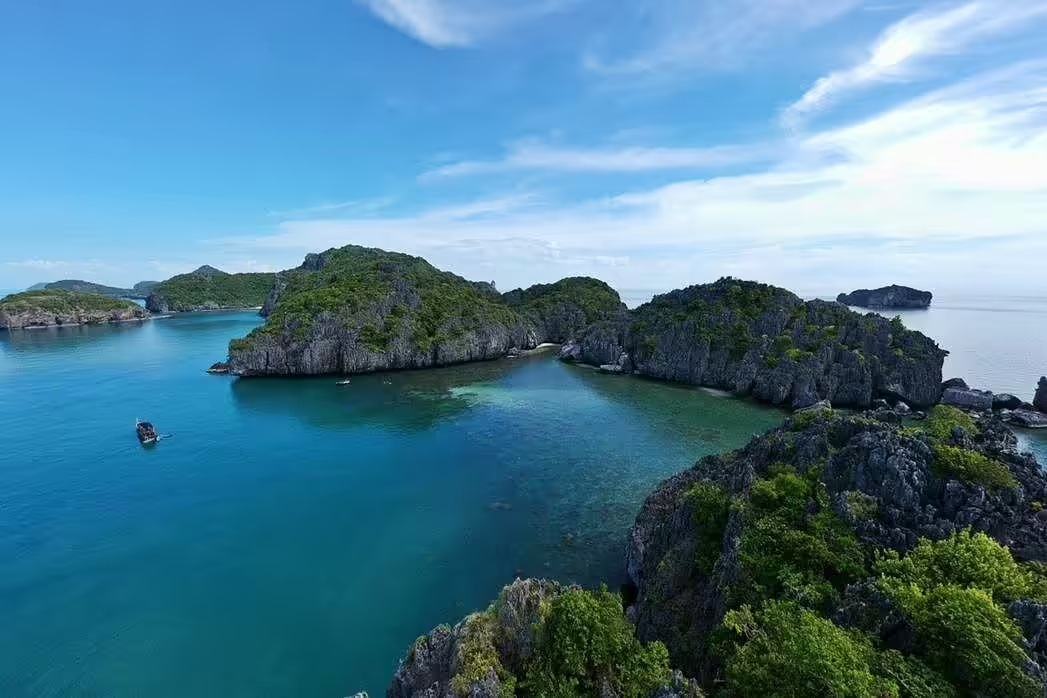
Phang Nga Bay — the one with all the dramatic limestone karst islands, James Bond Island, all that — is gorgeous year-round but in January the water is calmer and the light is better for photos. Those kayaking trips through the sea caves and hongs? Way more enjoyable when there’s no swell pushing you around.
A few things I always tell people about January boat trips:
- Book morning departures. The sea is usually calmest before noon and the light on the water is incredible. Plus you beat the bigger tour groups who leave later.
- The Similan Islands specifically are worth the longer journey from Phuket. It’s about an hour and a half by speedboat from Khao Lak, which means an early start, but the snorkeling out there is on another level compared to anything closer to the mainland. January visibility can be 25-30 meters. Ridiculous.
- If you get seasick easily, January is your best bet. Seriously. The seas are about as calm as they get all year. I’ve seen people who normally hate boats actually enjoy themselves in January because there’s so little swell.
The Bit Nobody Mentions About Prices
Here’s something interesting that I don’t see travel blogs talk about much. January pricing in Phuket is… weird. It’s technically still “high season” rates because, well, it’s dry season. Hotels and tour operators don’t usually drop their prices officially. But in practice? There are deals floating around because occupancy dips after the New Year’s rush.
I’ve noticed that hotels especially will run quiet promotions in the second and third weeks of January. Nothing massive, maybe 15-20% off, sometimes a free night thrown in. They won’t advertise it on their homepage necessarily but if you book direct or check a few comparison sites you’ll spot it. Villas and Airbnbs are even more noticeable — the premium December pricing comes off and suddenly places that were 8,000 baht a night are available for 5,000.
Tour operators have more availability too which sometimes means they’re more flexible on group sizes or willing to do things slightly differently. I’m not saying you’ll get bargain-basement rates — this is Phuket, not Laos — but you’ll get better value than December or February almost certainly.
It’s one of those things where you’re getting peak-season weather with shoulder-season crowds and somewhere-in-between pricing. Which, if you think about it, is kind of the dream scenario.
Is It Actually Worth Coming in January Specifically?
I mean, I’ve spent a lot of words here basically saying yes, so I should probably just commit to the answer. Yeah. It’s worth it. Specifically January. Not December which is madness. Not February which is the start of the next wave. January.
But let me be clear about something — Phuket isn’t going to feel like a remote island paradise in January or any other month. That’s not what Phuket is. It’s a developed, busy, sometimes chaotic island with incredible beaches, amazing food, and some of the best boat trip access in Thailand. What January does is dial down the chaos. It takes all the good things about Phuket and gives you more room to actually enjoy them. More space on the beach. More calm on the water. More time at the restaurant. More air on the road.
If you’re someone who wants tropical Thailand but doesn’t love feeling like you’re in a theme park — and look, I love Phuket but during peak season it can absolutely feel like that — then January is your answer. The island doesn’t change. The experience of being on it does.
For people looking to combine Phuket with other islands — maybe head over to Phi Phi for a day or two, or connect down to Koh Lipe which is absolutely stunning this time of year, or even hop across to the Gulf side and do Koh Samui — January makes all of that easier. Calmer seas, more available boats, less competition for everything. The logistics just work better when half the tourist population hasn’t shown up yet.
If you want help figuring out how to stitch all that together — which island first, how to get between them without wasting days on transit, what’s actually worth doing versus what’s a tourist trap — Koh Tours is who I’d talk to. They know the Andaman coast and the Gulf side equally well, which is rarer than you’d think. Most operators stick to one coast. Having someone who understands the full picture makes a surprisingly big difference when you’re trying to make the most of limited time out here.